A healthy granola comes down to three things on the label: added sugar under about 8 grams per serving, quality oils instead of cheap seed oils, and a short ingredient list built on whole oats, real fruit, and simple sweeteners. Most granolas at the grocery store miss at least one of those. Some pack more sugar per bowl than a frosted donut. This guide shows you exactly what to check on the label, what to skip, and how Safe + Fair granola stacks up so you can decide for yourself.
Is granola actually healthy?
It can be, and it often isn't. Granola starts with a real nutritional base: whole grain oats bring fiber, and a good recipe adds real fruit and clean sweeteners. The problem is what happens between the oats and the bag. Many brands add sugar in three or four different forms, bake everything in cheap refined oils, and pour on coatings that turn breakfast into dessert. The word granola on the front tells you nothing. The nutrition panel on the back tells you everything.
What should you look for in a healthy granola?
Run every bag through this quick check:
| What to check | A good sign | A red flag |
|---|---|---|
| Added sugar | Under ~8g per serving | 12g+ per serving, or sugar listed first or second |
| Oils | Named quality oils, or seed oil free | Vague vegetable oil blends |
| Ingredient list | Short, recognizable foods | A paragraph of additives you cannot pronounce |
| Fiber | 2g+ per serving from whole oats | Refined fillers and puffed starches |
| Allergen clarity | Clear, specific allergen statements | Vague may-contain hedging on every allergen |
Does healthy granola have to taste boring?
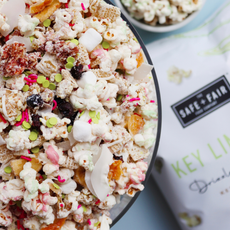
No. Dessert-inspired flavors and a clean label can coexist when the sweetness comes from measured amounts of real ingredients instead of layers of syrup. Our Chocolate Chip Cookie Dough Granola and Strawberry Shortcake Granola are both USDA organic and made without seed oils, and every Safe + Fair granola is free from all top 9 allergens. Taste is the reason people keep eating a healthy breakfast. It counts.
Why do oils matter in granola?
Oil is what crisps granola in the oven, so it shows up in nearly every recipe, and brands rarely talk about which one they use. Cheap refined seed oil blends are the industry default because they cost less. If avoiding seed oils matters to you, look for brands that name their oils or carry a seed oil free callout. We wrote a full guide on how to find granola without seed oils if you want to go deeper.
What about allergies?
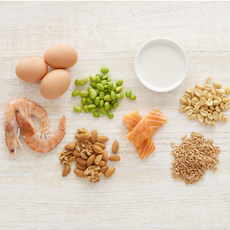
For millions of families, healthy also has to mean safe. A granola loaded with almonds is off the table for a nut-allergy household no matter how clean the label is. Safe + Fair granola is free from all top 9 allergens: peanuts, tree nuts, milk, eggs, wheat, soy, fish, shellfish, and sesame. That makes it one of the few granolas a whole classroom, team, or family can share without a second thought.
FAQ
How much sugar should a healthy granola have?
Aim for under about 8 grams of added sugar per serving. Check the added sugar line specifically, since total sugar also counts naturally occurring sugar from fruit.
Is granola healthy for weight management?
It can fit, with portion awareness. Granola is calorie-dense, so measure a serving rather than pouring. Pairing it with protein like yogurt helps it keep you full longer.
Is Safe + Fair granola allergen friendly?
Yes. Every Safe + Fair granola is free from all top 9 allergens, and the Chocolate Chip Cookie Dough and Strawberry Shortcake flavors are also USDA organic and made without seed oils.
What is the healthiest way to eat granola?
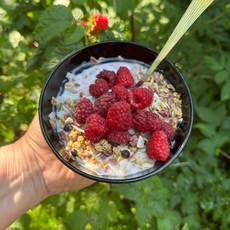
Use it as a topper on plain yogurt or fruit rather than a full bowl with milk. You get the crunch and flavor with a controlled portion and more protein in the meal.