Every August, the same email goes out from a few million classrooms: this is a nut-free room, please pack accordingly. If your kid has the allergy, the email is a relief. If your kid doesn't, it's mildly confusing. Either way, somebody has to figure out snacks, and this guide is for that somebody.
What school allergy policies actually require
Most policies fall into three tiers, and knowing which one you're dealing with saves a lot of second-guessing.
Nut-free classroom or table. The most common. It means no peanuts and no tree nuts in anything that enters the room. It does not require snacks free of dairy, egg or wheat.
Allergen-aware. Looser. The school asks families to label ingredients or avoid the specific allergens of kids in that class. The teacher's list rules here, so ask for it.
Shared-snack rules. The strictest situations are birthday treats and class parties, where one snack feeds everyone. This is where top-9-free products earn their keep, because they cover the dairy-allergic kid and the sesame-allergic kid in one bag, no spreadsheet required.
When in doubt, individually wrapped beats homemade. A teacher can read a sealed label. Nobody can audit a zip-top bag of muffins, however lovingly baked.
Building the safe lunchbox
Three layers, from least to most protective:
- Peanut-free and tree-nut-free clears the standard nut-free rule. Check the recipe AND the facility line on the package.
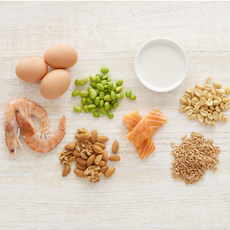
- Top-9-free clears nearly every policy and every shared table. Free from peanuts, tree nuts, milk, eggs, wheat, soy, sesame, fish and shellfish.
- Individually wrapped versions of either solve the cross-contact problem between home and lunch bell, and they're what most schools quietly prefer.
Match the layer to the situation. Your own nut-allergic kid needs layer 1 done perfectly. The class party snack should be layer 2 or 3.
15 teacher-approved snack ideas
The honest list, ours and not-ours mixed, because that's what an actual lunchbox looks like:
- Individually wrapped graham cracker packs. Ours are Remy's Cinnamon Grahams: peanut-free and tree-nut-free recipe and facility, 24 sealed 1oz packs. They contain wheat, so they're a nut-policy snack rather than a top-9 one.
- Top-9-allergen-free granola in a small container (all Safe + Fair granola qualifies, and it's certified gluten-free and vegan).
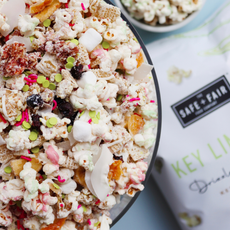
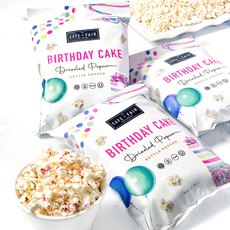
- Drizzled popcorn for the party table (ours is made without nuts; as with any brand, check each bag's current label).
- Fresh fruit, whole or sliced. Still undefeated.
- Applesauce or fruit pouches, no utensils needed.
- Raisins and other dried fruit.
- Fruit leather with a short ingredient list.
- Seed butter (sunflower) with apple slices, if the classroom allows seed butters. Ask first, some nut-free rooms ban lookalikes.
- Plain rice cakes or top-9-free mini rice snacks.
- Veggie sticks with hummus, where sesame isn't on the class list (tahini is sesame).
- Plain popcorn cups for allergen-aware rooms.
- Freeze-dried fruit, which feels like candy and isn't.
- Top-9-free granola bars, facility-checked.
- Roasted chickpeas for the crunch kids.
- Water and a good attitude, because someone will trade snacks anyway.
The 30-second label routine
Read the ingredients. Read the facility line under the ingredients. Match both against the class list. Do it again next month, because recipes change without ceremonies. That's the whole system, and it works.
Why we care this much
Safe + Fair exists because our own family reads labels for more than twenty allergies. The snacks we make are the snacks we needed: granola and popcorn made without the top 9 allergens, grahams that nut-allergy kids can hand to their whole class. Fair prices, claims that say exactly what they mean.
Shop kids' snacks · Find Safe + Fair in a store near you
FAQ
What snacks are safe for a nut-free classroom? Anything with no peanut or tree-nut ingredients AND no shared-facility nut risk, individually wrapped where possible. Fruit, applesauce pouches, nut-free grahams and top-9-free granola all clear it.
Is top-9-free the same as nut-free? Top-9-free includes nut-free and goes further, also excluding milk, eggs, wheat, soy, sesame, fish and shellfish. Every top-9-free snack is nut-free. The reverse isn't true.
Can I send homemade snacks for the class? Many schools no longer allow it for shared snacks, because staff can't verify ingredients. Sealed, labeled packages are the safe default.
What's the difference between allergen-free and allergen-friendly? "Allergen-friendly" is marketing with no fixed meaning. Look for named claims: which allergens, recipe and facility, stated plainly.