Let’s be real: trying to live more sustainably when you’ve got a full plate and a full house can feel a little… ambitious. Between packed schedules, forgotten lunch boxes, and the never-ending question of “what’s for dinner?,” the idea of overhauling your habits sounds exhausting. But here’s the thing—sustainability doesn’t have to be an all-or-nothing lifestyle overhaul, but rather a collection of small, positive choices that add up over time.
We’re talking easy wins: swaps you can make at the grocery store, habits that actually stick, and choosing to walk instead of drive whenever you can. Ready to go green? Let’s dig in.
1. Shop Smarter, Waste Less
Food waste is one of the biggest culprits when it comes to household environmental impact. A few tweaks to how you shop and plan can make a real dent.
-
Write a weekly meal plan (even a loose one) before hitting the store. Buying with intention means fewer forgotten veggies turning into science experiments in the back of the fridge.
-
Buy in bulk when it makes sense. Pantry staples like oats, nuts, and dried fruit last forever and cut down on packaging waste.
-
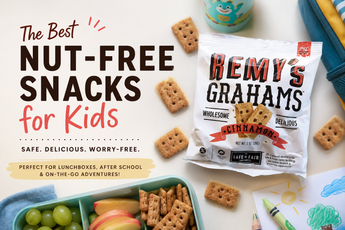
Choose brands that are transparent about their ingredients and sourcing practices. Clean-label products like Safe+Fair mean fewer mystery ingredients and more confidence in what you’re feeding your family.
-
Involve your kids in the planning. When little ones get to pick a fruit or help choose a snack, they’re more excited to actually eat it — less waste, more wins.
2. Rethink How You Eat Out
Dining out is one of those habits that’s easy to overlook when you’re thinking about sustainability — but it adds up fast. Between the fuel to drive there, single-use packaging, and the extra food often thrown away, those Friday night restaurant runs have a bigger footprint than you might think. And honestly? They’re not always budget or waistline friendly either.
Our suggestion: swap the restaurant for a backyard picnic.
Spreading a blanket in the backyard (or your local park) and laying out a spread of easy, homemade snacks is not only more sustainable and wallet-friendly, it’s also genuinely more fun for kids. There’s something about eating outside that makes everything taste better. No wait times, no fighting over who gets the window seat, and zero emissions getting there.
Need picnic inspiration to get started? Try this:
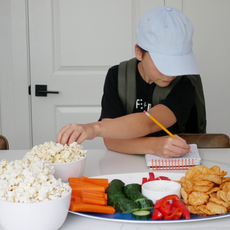
A great picnic spread doesn’t require a ton of effort. You just need a little bit of planning and a few pantry heroes. Here are some of our favorite ideas, including three easy homemade snacks your kids can help make:
Homemade Snack Bars
Granola bars are the MVP of portable snacks, and making them at home is way easier than it sounds. Use your favorite flavor of Safe + Fair granola as your base. Then, stir in nut or seed butter, honey, and a handful of mix-ins like chocolate chips or dried cranberries, press into a pan, chill, and cut into bars. That’s it. They travel beautifully, hold up in the heat, and kids love customizing their own version with whatever toppings they’re feeling that day.
Pro tip: Make a double batch on Sunday. They keep in the fridge all week and double as a school snack.
Homemade Munch Mix
Trail mix’s crunchier, snackier cousin. Start with your favorite Safe + Fair popcorn as your base and toss it with whatever you’ve got: pretzels, nuts, dried fruit, sunflower seeds, a drizzle of honey, or even a pinch of everything bagel seasoning if you’re feeling adventurous. This is a great opportunity to use up any pantry staples that might be nearing that expiration date.
Portion into reusable snack bags and let each kid build their own mix. This keeps the peace and keeps the afternoon hangry grouchies away.
More Easy Picnic Food Ideas
Round out your spread with a mix of grab-and-go favorites:
-
Pinwheel sandwiches: Roll up deli meat, cheese, and greens in a tortilla, slice into rounds. Easy, portable, endlessly customizable.
-
Hummus + veggie cups: Portion hummus into small reusable containers with carrot sticks, cucumber slices, and bell pepper strips tucked in alongside.
-
Fresh fruit skewers: Strawberries, grapes, melon, and kiwi on a skewer. Kids love eating off a stick for reasons we’ll never fully understand.
-
Pasta or grain salad: Make a big batch the night before, pack in a reusable container, and you’ve got a filling base for the whole crew.
-
Cheese and crackers board: A little fancy, very easy, and universally loved by kids and adults alike.
-
Homemade cookies using better-for-you ingredients that even the pickiest eaters won’t be able to detect once in cookie form.
-
Reusable water bottles + a big pitcher of infused water (cucumber mint or lemon strawberry) to keep everyone hydrated without single-use plastic.
3. Small Swaps Around the House
Sustainability at home doesn’t have to mean a complete lifestyle makeover. A few easy swaps can add up to meaningful impact:
-
Swap paper towels for washable cloth rags for everyday spills. Keep a small basket under the sink to toss them in for washing.
-
Ditch single-use zip bags for reusable silicone pouches. They’re great for snacks, sandwiches, and even freezing leftovers.
-
Start a simple compost bin, even a small countertop one for fruit and veggie scraps. Kids actually love the “feeding the bin” ritual.
-
Turn off and unplug. It’s the smallest habit with genuinely outsized impact — make it a game for the kids to be the “plug patrol” before leaving the house.
4. Get Outside + Play
One of the most underrated sustainable habits? Getting outside and actually connecting with nature. Kids who spend time outdoors tend to develop a natural love and respect for the environment, which is the foundation for all the eco-friendly habits we’re talking about here.
-
Walk or bike to a nearby park instead of driving.
-
Start a small container garden together. Try herbs, cherry tomatoes, or even lettuce for perfect beginner plants that tend to withstand the most.
-
Do a neighborhood clean-up walk. Bring a bag, pick up litter, and make it a mission. Want to add a little competitive fun to the mix? Offer a small prize to the person who fills their clean-up bag the most!
-
Visit a local farmers’ market. It’s a fun outing and a great way to support sustainable, local food systems.
5. Carpool More, Drive Less
Soccer practice, school drop-off, weekend activities—when you’re a parent, it can feel like you’re basically living in your car. And all those solo drives add up fast when it comes to emissions. Enter: the carpool.
Teaming up with another family to share the driving cuts your household’s emissions in half and honestly, it’s one of those swaps that’s genuinely easier than going at it alone. Your kids get a built-in buddy for the ride, you get a break from driving duty every other week, and everyone wins.
Pro tip: Always stash an emergency snack bag for those unexpected traffic jams. Plus, it tends to help take the “what’s for dinner?” conversation from whiny to productive. Little ones with full bellies are less likely to request a trip to the drive-thru.
Final Word
Living more sustainably with a family isn’t about being perfect, it’s about being intentional. One backyard picnic, one reusable snack bag, one carpool route at a time. And when the whole family’s involved, those little choices become habits that stick way past childhood.
So grab your family, a blanket, and your positive attitude towards doing a little bit more every day for a healthier planet tomorrow.